We will start introducing each animal from the 10th smartest all the way to the first, followed by their diet, what makes them a very intelligent animal, their behaviour habits around humans and in the wild. =D
10th place is the Small Toothed Whale also know as the Beluga Whale.Beluga whales are opportunistic feeders. They prey on about 100 different kinds of primarily bottom-dwelling animals. They eat octopus; squid; crabs; snails; sandworms; and fishes such as capelin, cod, herring, smelt, and flounder.In zoological habitats belugas eat approximately 2.5% to 3% of their body weight per day, about 18.2 to 27.2 kg (40-60 lb.). Belugas are extremely social.

8th place is the Sheep, Domestic Sheep.Mostly sheep eat grass, clover, forbs, and other pasture plants. They especially love forbs. It is usually their first choice of food in a pasture. A forb is a broad-leaf plant other than grass. It is a flowering plant Forbs are very nutritious. As compared to cattle, sheep eat a greater variety of plants and select a more nutritious diet, but less so than goats. British scientists believe that we underestimate sheep on its intuition and intelligence. During several years of research they have concluded that sheep possess exceptional memory and could identify the faces of people or animals without a mistake. They even claim that sheep's intellectual ability is closer to humans than we thought. The main downside of their study is that the animals tend to scare easy! 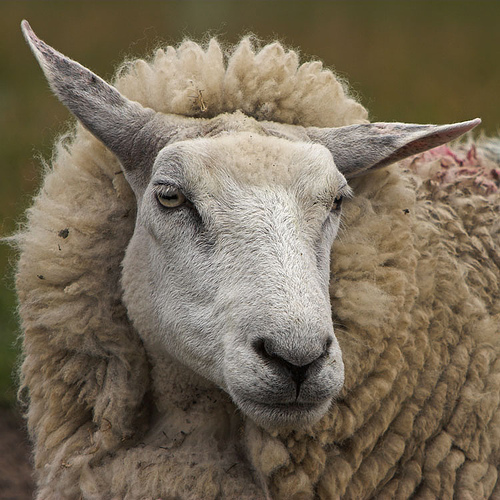 6th place is the CrowCrows eat practically everything, animal, vegetable or mineral. Certain species have been considered pests; the Common Raven, Australian Raven and Carrion Crow have all been known to kill weak lambs as well as eating freshly dead corpses probably killed by other means.The true crows are large passerine birds that form the genus Corvus in the family Corvidae. Ranging in size from the relatively small pigeon-sized jackdaws (Eurasian and Daurian) to the Common Raven of the Holarctic region.As a group, the crows show remarkable examples of intelligence, and Aesop's fable of The Crow and the Pitcher shows that humans have long viewed the crow as an intelligent bird. Crows and ravens often score very highly on intelligence tests. Certain species top the avian IQ scale. Wild hooded crows in Israel have learned to use bread crumbs for bait-fishing.Crows are no harm to active, lively humans. 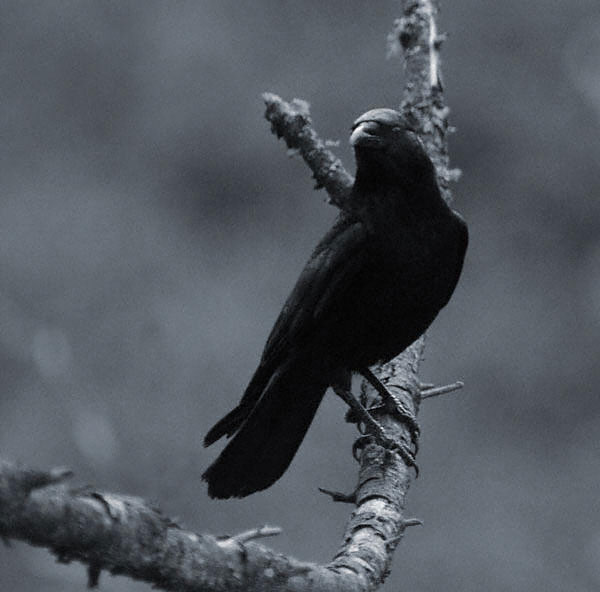 4th is the RatThe common Norway or brown rat typically has brownish fur on its back and grey underneath but its colour can vary from white through to black. Adult body length is 200 - 270mm plus a tail length of 150 - 200mm. The ship or black rat is nowadays rarely encountered in Britain but is smaller than the common rat and usually black in colour. It has large hairless ears and a tail that is longer than its head and body length. Common rats live in any situation that provides food, water and shelter. The common rat is the most widespread of its species and is widely found in urban and rural areas. In homes they will live in loft spaces, wall cavities, cellars or under floorboards. In gardens, they will burrow into compost heaps and grassy banks or under sheds. They are also commonly found living in sewer systems.Their favourite foods are cereal products, although they will eat almost anything that humans eat and some that humans don't – including each other. Most of the damage they do is by gnawing and ripping open packets. They also foul food with urine and droppings.It is common for rats to groom each other and sleep together. As with dogs, rats create a social hierarchy, and each rat has its own place in the pack. Rats are said to establish an order of hierarchy and so one rat will be dominant over another one. Groups of rats tend to "play fight", which can involve any combination of jumping, chasing, tumbling, and boxing. Play fighting involves rats going for each other's necks, while serious fighting involves strikes at the others' back ends. 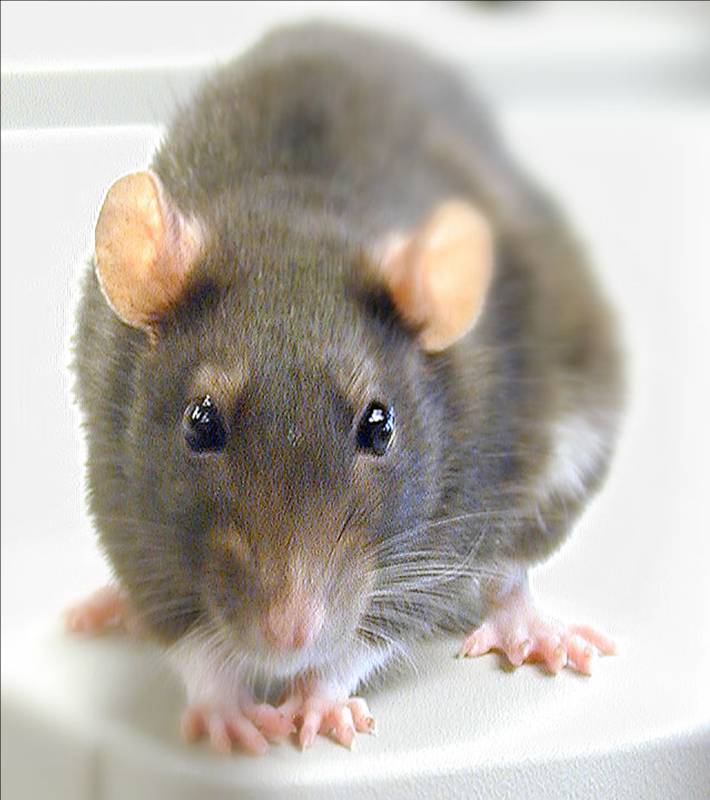 2nd is the ElephantElephants are herbivores, they spend 16 hours each day collecting food. Their diet is at least 50% of different types of grasses, also with leaves, bamboo, twigs, bark, roots, and small portions of fruit, seeds and flowers. Because elephants only digest 40% of what they usually eat, they have to make up for their digestive system's lack of amount. An adult elephant can consume 300-600 pounds of food a day. 60% of that food leaves the elephant's body undigested. Elephants are smart because they are able to produce grief, music, and art. They can also play games and use many different tools. Elephants also have good memory! They have many, many brain cells that allow this great memory!! 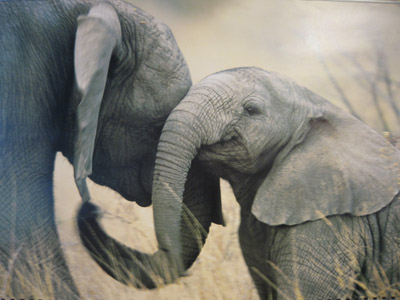 |
Cats & Dogs tried hard too! 9th place are Squid & Octopus.Octopus and squid are a key group of predators, with the majority of species characterised by soft bodies, numerous (eight) arms (octopus) and two tentacles (squid), well-developed eyes, and complex life cycles and behaviours. Their size ranges from small squid, Heteroteuthis serventii, not exceeding 5 cm total length, to giant squid, Architeuthis dux, known to reach 13 m total length. Squids and octopus also eat fish and invertabrates. But they are also prey of albatross, penguins, and marine mammals.Though octopuses can be difficult to keep in captivity, some people keep them as pets. Octopuses often escape even from supposedly secure tanks, due to their problem solving skills, mobility and lack of rigid structure.The variation in size and life span among octopus species makes it difficult to know how long a new specimen can naturally be expected to live. That is, a small octopus may be just born or may be an adult, depending on its species. By selecting a well-known species, such as the California Two-Spot Octopus, one can choose a small octopus (around the size of a tennis ball) and be confident that it is young with a full life ahead of it.Octopuses are also quite strong for their size. Octopuses kept as pets have been known to open the covers of their aquariums and survive for a time in the air in order to get to a nearby feeder tank and gorge themselves on the fish there. They have also been known to catch and kill some species of sharks. This warm blooded small whale is known for its mysterious journeys across the ocean. It is still unknown how it can find others in the group several hundred miles away. Squid and octopus are smart because an octopus can build its shelter from the ocean debris and is equal to none in camouflage. It can change its color and pattern in less than a second, sending the brain signal to its entire body. 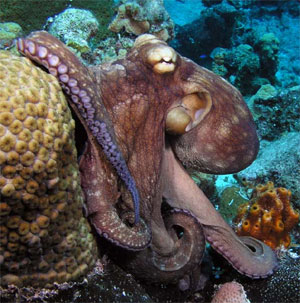 7th place is a Cacadu ParrotThese Cacadu Parrots are also known as Cockatoos.Cockatoos are diurnal, and require daylight to find their food. They are not early risers, instead waiting until the sun has warmed their roosting sites before feeding. These birds are generally highly social and will roost, forage and travel together, often in colourful and noisy flocks. These vary in size depending on availability of food; in times of plenty, flocks are small and number 100 birds or less, while in droughts or other times of adversity, they may swell up to contain thousands or even tens of thousands of birds; one record from the Kimberley noted a flock of 32,000 Little Corellas. All species require roosting sites that are sometimes located near drinking sites, but many species may travel great distances between the roosting sites and feeding sites. Cockatoos have several characteristic methods of bathing; they may hang upside down or fly about in the rain, or flutter in wet leaves in the canopyCacadu Parrot. In Great Britain a local parrot has become recognized as the country's smartest animal. A cacadu named Badjo can sew holding a needle and thread with his beak! Badjo's owner, a professional tailor, confirms that the bird's skills are 90% accurate. Cacadu Parrots manily eat seeds from nuts and stuff like that. They crack these seeds open with their beak and eat what's inside. Human activities have had positive effects on some species of cockatoo and negative effects on others. Many species of open country have benefited greatly from anthropogenic changes to the landscape, with the great increase in reliable seed food sources and available water, and have also adapted well to a diet including foreign foodstuffs. This benefit appears to be restricted to Australian species, as cockatoos favouring open country outside Australia have not become more abundant. Predominantly forest-dwelling species have suffered greatly from habitat destruction; in the main, they appear to have a moer specialised diet and have not been able to incorporate exotic food into their diet. A notable exception is the Yellow-tailed Black cockatoo in eastern Australia. 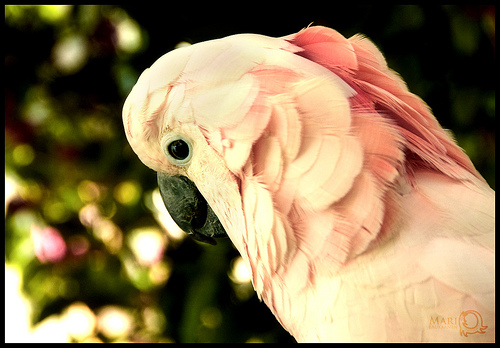
5th is the MonkeyThe many species of monkey have varied relationships with humans. Some are kept as pets, others used as model organisms in laboratories or in space missions. They may be killed in monkey drives when they threatened agriculture, or serve as service animals for the disabled. In some areas, some species of monkey are considered agricultural pests, and can cause extensive damage to commercial and subsistence crops. This can have important implications for the conservation of endangered species, which may be subject to persecution. In some instances farmers' perceptions of the damage may exceed the actual damage. Monkeys that have become habituated to human presence in tourist locations may also be considered pests, attacking tourists.Monkeys eat fresh fruit like apple, banana, pear, orange, mango, fresh vegetables like carrots, tomato, cucumber, corn, onion,cooked vegetables like potato,peanuts,sunflower seeds, brown bread, insects like grasshoppers and mealworms. Monkeys are considered smart because they supposedly developped into humans. 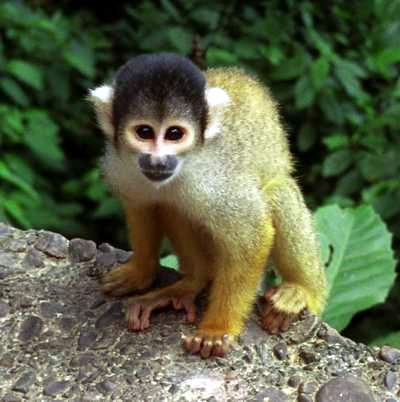 3rd is the DolphinDolphins are often regarded as one of Earth's most intelligent animals, though it is hard to say just how intelligent. Comparing species' relative intelligence is complicated by differences in sensory apparatus, response modes, and nature of cognition. Furthermore, the difficulty and expense of experimental work with large aquatic animals has so far prevented some tests and limited sample size and rigor in others. Compared to many other species however, dolphin behavior has been studied extensively, both in captivity and in the wild. Fish and squid are the main food. Dolphins are very smart, they can use tools, they are big problem solvers, in some species, adult dolphins can pass down knowledge to their calves. By using tools they can match shapes easily! 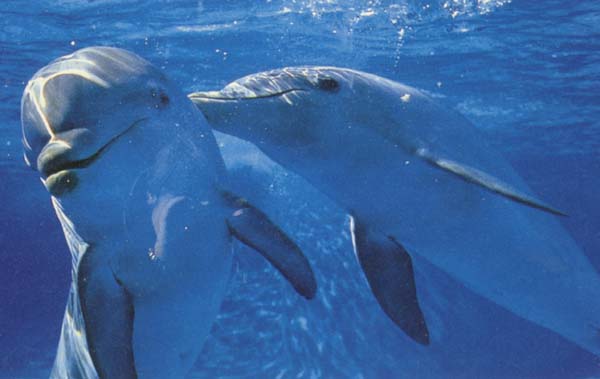 1st are PrimatesA primate is a member of the biological order Primates, the group that contains lemurs, lorisids, galagos, tarsiers, monkeys, and apes, with the last category including great apes. With the exception of humans, who inhabit every continent on Earth, most primates live in tropical or subtropical regions of the Americas, Africa and Asia. Primates range in size from the Madame Berthe's Mouse Lemur weighing only 30 grams (1.1 oz) to the Mountain Gorilla weighing 200 kilograms (440 lb). According to fossil evidence, the primitive ancestors of primates may have existed in the late Cretaceous period around 65 million years ago, and the oldest known primate is the Late Paleocene Plesiadapis, c. 55–58 million years ago. Molecular clock studies suggest that the primate branch may be even older, originating in the mid-Cretaceous period around 85 mya. Same things that humans eat. Primates are omnivores. They eat plants and meat. Some primates eat just plants. Other primates eat just meat. They will eat what is available in their habitat. If it is fruit or bugs or fish. Yes, some have learned how to catch fish and eat it raw. What makes them smart is that scientists have a theory that humans first developed from these primates.  |